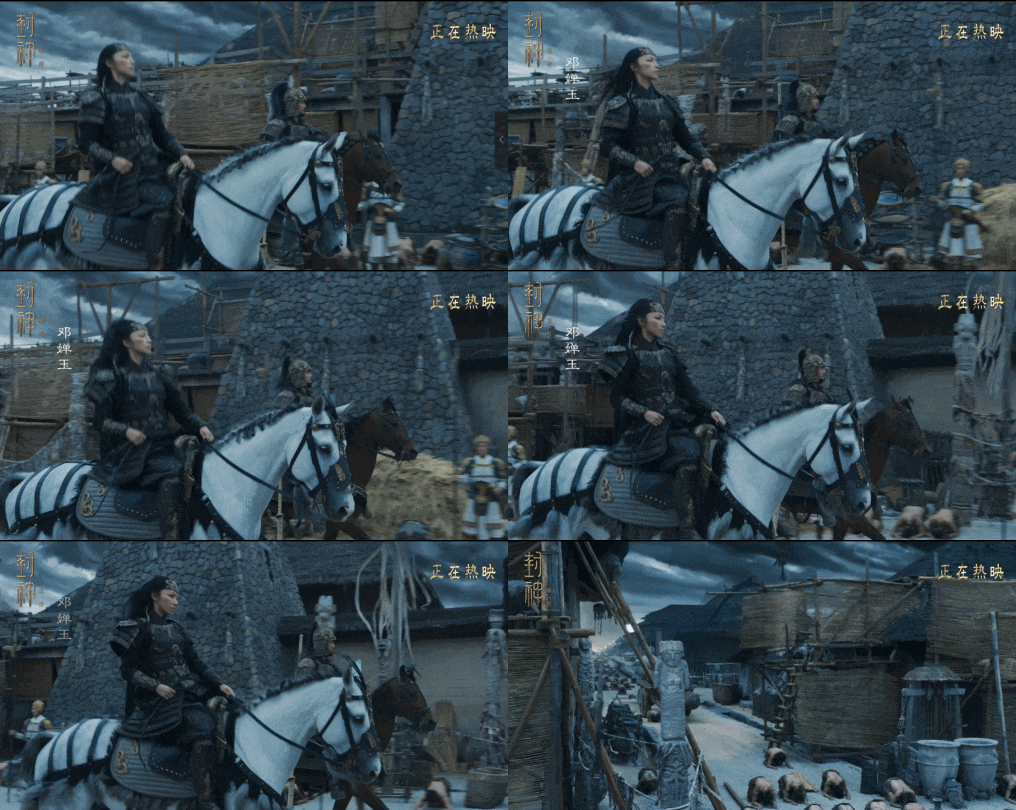
Last month, the first film in the “Creation of the Gods” trilogy was released. I watched an early screening. The feeling was mixed and left me wanting more, so I went back to the original novel “The Investiture of the Gods.” Reading it again brought new thoughts. The biggest change is that the book reads differently now. Age changes how we see things.
First, the film#
The film has been out for a month and the reputation has stabilized. Even if you have not seen it, you likely saw clips.
The trilogy was shot together; part one is released now. The adaptation is bold, especially in its portrayal of King Zhou and Daji, which is quite subversive.
Is the adaptation good? I think so. At least King Zhou is no longer a simple villain; his actions are internally consistent. Daji is no longer just a “femme fatale.”
I am not a professional critic. Personally, I think it is good overall, but the magical elements are simplified too much for a fantasy film. That is a regret that parts two and three need to make up for.
Overall, it is worth watching.

Then, the novel#
I first read the story in fourth grade, in a youth edition. Later I read the full novel several times. Back then I read it for fun, enjoying the battles between the Chan and Jie sects. I especially liked Yang Jian and the Chan disciples defeating their opponents.
This time the reading felt more objective. I did not pick a side, but read as an observer. That changed my impression of the story.
Fatalism in the story#
There are two main lines: King Wu’s campaign against King Zhou, and the investiture of gods. Both are driven by fate.
In the first line, King Zhou falls because of his tyranny and because the Mandate of Heaven shifts to King Wu. His defeat is presented as destiny, and King Wu’s victory is also destiny.
In the second line, the list of gods is drafted by the three leaders of Daoist sects. Anyone on the list, human or spirit, is destined to die and be deified. No matter how powerful, they cannot escape. Many episodes confirm this.
For example, Tu Xingsun is killed at Mianchi. His master could have saved him but did not because Tu Xingsun was on the list. Many strong disciples of the Jie sect, like Jinling and the Three Sisters, were on the list and died. Even the Twelve Golden Immortals of the Chan sect descended because of a killing fate. Jiang Ziya himself could only enjoy wealth and could not become a god. Fate runs through everything.
This fatalism reflects its era and weakens the novel’s ideas.
Weak literary and narrative quality#
Although the story has spawned many modern IPs, its literary quality and storytelling are weaker than the Four Great Classical Novels.
The writing is repetitive and formulaic. Descriptions often reuse the same phrases. You can skip many poems. The plot is also highly repetitive: Jiang Ziya attacks a pass, a Jie disciple appears, he is defeated, Chan disciples intervene, and someone dies and goes to the deification platform. The pattern repeats with different characters and magic items.
This lowers readability.
Right or wrong depends on position#
When Jiang Ziya faces opponents who use strange magic, he labels them as “left-path” practitioners. But once they surrender, he stops criticizing and allows them to keep using the same magic. Deng Chanyu is a classic example. She uses colorful stones to ambush enemies. She was called “left-path,” but after she joined King Wu, her tactics were accepted.
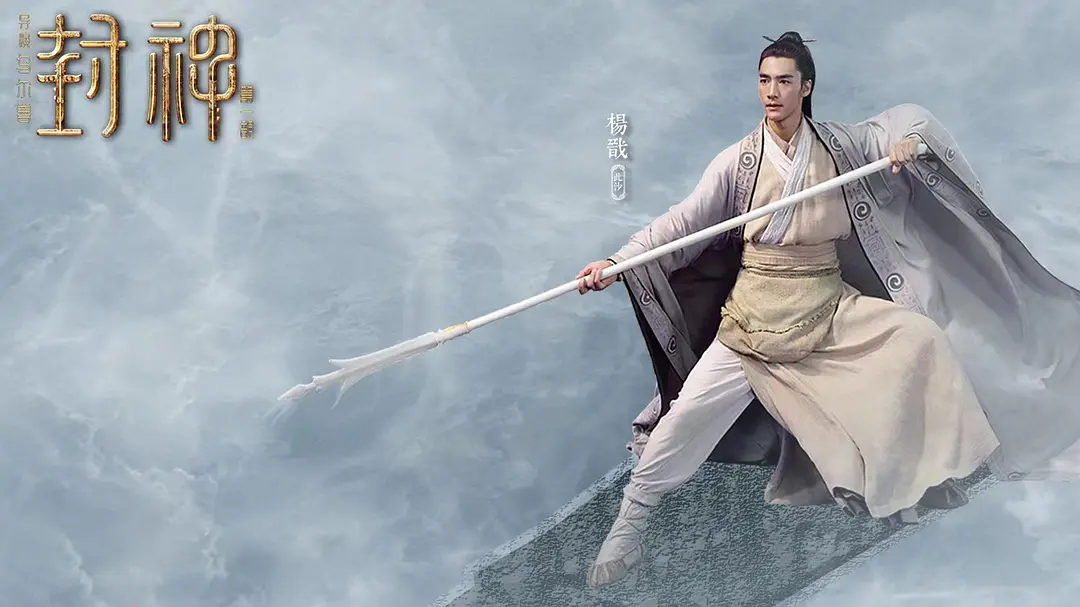
Yang Jian also felt different. He warns others not to secretly use magic during阵法 observation, but in battle he often secretly releases his celestial hound. It is not exactly fair play.
The surprising story of Nezha#
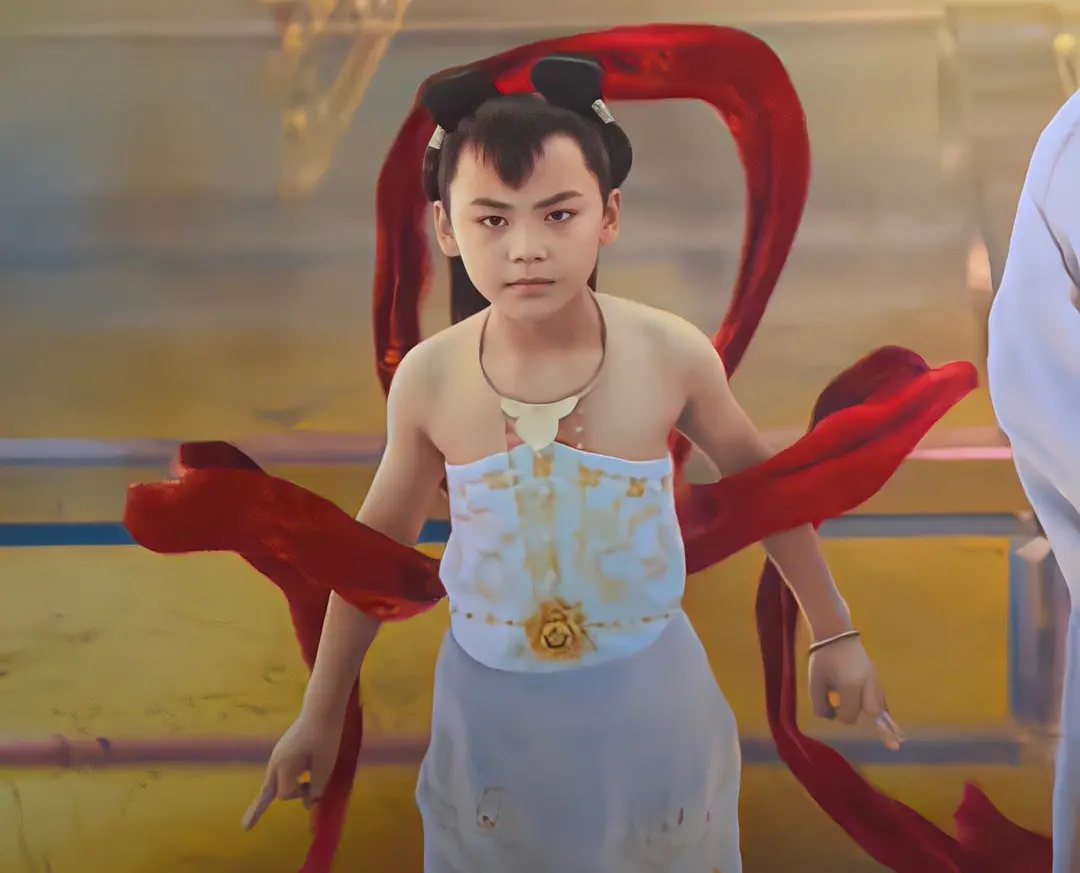
In popular culture, Nezha is a hero who defies fate and patriarchy. In the novel, he actually reinforces the fatalism above.
Nezha is the reincarnation of the spiritual pearl, destined to be a先锋 and help King Wu. Everything that blocks this fate suffers. He kills the dragon prince and Shi Ji intentionally, and shows no remorse. His master indulgently protects him. From a neutral view, he can seem ruthless and even villainous.
So it is fortunate that modern adaptations portray him as a hero.
The “femme fatale” trope and women without status#
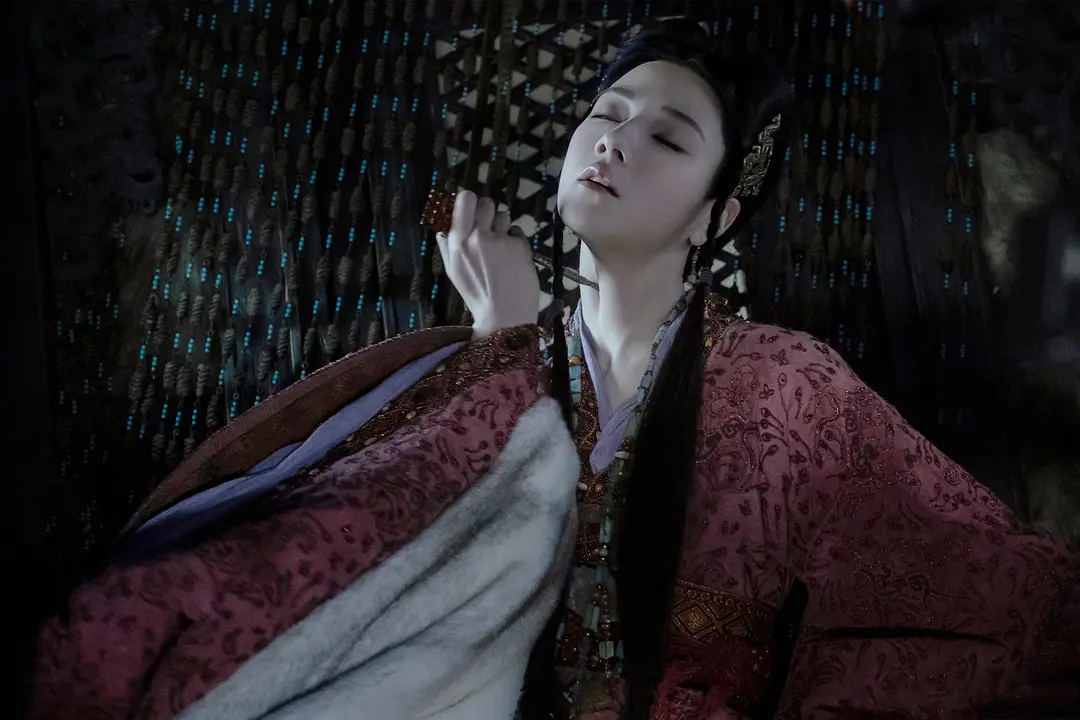
Like many stories of tyrant kings, King Zhou’s downfall involves a “femme fatale” figure. Daji is that figure. In the novel, she is possessed by a fox spirit sent by Nuwa. In this telling, the root cause of the dynasty’s fall is Nuwa’s anger. But in the end, the fox spirit is discarded and punished. The story reflects the tendency to blame men’s failures on women.
Women in the novel have low status, reflecting the era when it was written. The story of Huang Feihu shows this: his wife and sister die, yet he does not rebel immediately. His father even says that the family’s loyalty should not be broken because of women, even though those women are his daughter and daughter-in-law.
If the story were written in the Shang or Zhou era, there might be more respected female generals (like Fu Hao). But in this novel, women are often附属. Even the capable Deng Chanyu is trapped by “chastity” norms and ends up with Tu Xingsun. It is conventional and feudal.
Summary#
These are my subjective thoughts about the film and the classic novel. The tone may be critical, but the film is worth watching and the book is still readable as entertainment.
Finally, I really want to see Deng Chanyu in part two of the film.